

Universal's Spring Hard Ticket Test: Take 2
Universal is doubling down on core fans for second Fan Fest Nights

Universal Fan Fest Nights continues to function as an experiment in building the spring hard-ticket event that theme park operators have chased for decades, and the lineup for the 2026 edition shows Universal doubling down on core fans.
The separately ticketed nighttime experience runs 12 select nights from April 23 through May 16, 2026, and serves as a springtime version of Halloween Horror Nights—offering immersive walk-through experiences, themed shows, and IP activations across the park.
The 2026 lineup introduces four new experiences: Scooby-Doo Meets The Universal Monsters: Mystery on the Backlot (replacing last year’s Back to the Future backlot experience), ONE PIECE: Grand Pirate Show (a full-scale live show at the WaterWorld venue, upgrading from last year’s character meet-and-greet), a Forbidden Forest walk-through in The Wizarding World of Harry Potter, and a Colorful Yoshi Celebration in SUPER NINTENDO WORLD. Dungeons & Dragons: Secrets of Waterdeep returns ‘by popular demand.’
Watch: my coverage of the 2025 Universal Fan Fest Nights.
Doubling Down on What Works
The event’s return for a second year suggests the format itself is viable, even as it continues to be refined. While Fan Fest Nights is not operating at the scale of Halloween Horror Nights, its structure, pricing, and IP-driven approach clearly mirror that playbook. If Universal can continue to sharpen the offering and grow attendance, the upside is significant.
The 2026 lineup suggests a shift toward concentrating on Universal’s core fandoms. Universal Monsters, The Wizarding World of Harry Potter, and SUPER NINTENDO WORLD now anchor the event, with a smaller but deliberate emphasis on new audiences through ONE PIECE.
ONE PIECE was consistently one of the most popular offerings at last year’s event and remains a strong draw from a general audience perspective. Expanding it from a character meet-and-greet into a full-scale live show is a logical step, particularly given that the production is being adapted from Universal Studios Japan. Leveraging an existing show reduces creative and development costs while allowing Universal to scale the experience in Hollywood.
Monster-based horror continues to expand across Universal’s slate, from Fan Fest Nights to Universal Horror Unleashed in Las Vegas and Dark Universe at Epic Universe in Orlando. With Scooby-Doo Meets the Universal Monsters now occupying the backlot centerpiece of Fan Fest Nights, the Monsters brand is being positioned as a flexible, cross-season pillar rather than a Halloween-only asset.
If the original goal of Fan Fest Nights was to aggressively break into new fandoms, the 2026 lineup suggests a recalibration. Outside of ONE PIECE and D&D, the event now reads largely as an extension of Universal’s existing ecosystem; roughly 60% of the immersive experiences are core Universal fandoms (fandoms which Universal is known for across its properties). Rather than spreading investment across multiple unproven fandoms, Universal appears to be prioritizing depth over breadth, focusing on known demand while selectively layering in communities such as anime and cosplay where crossover potential already exists.
Halloween Horror Nights has grown into the largest Halloween experience worldwide and accounts for a significant portion of Universal’s revenue. You could argue that Halloween Horror Nights and its success have inspired the rest of the theme park community to expand more into Halloween.
If you follow that argument, then Universal’s 2026 adjustments suggest that Fan Fest Nights could spark a new renaissance in spring hard-ticket events industry-wide. If you focus on what you already do well, with a little bit of experimentation mixed in.
Disney Pivots Strategy at Galaxy’s Edge
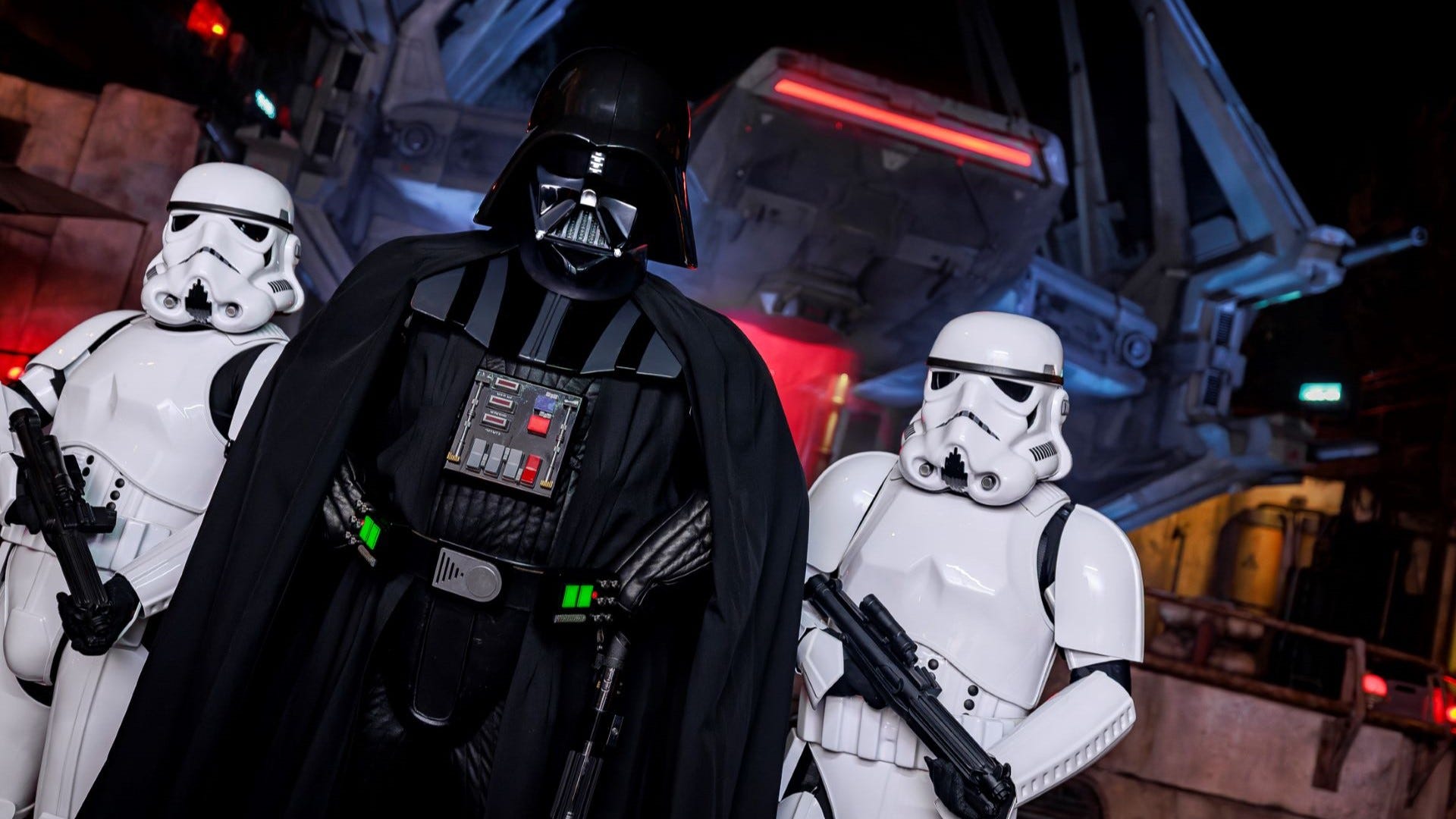
Disney is reversing course on one of the boldest creative choices it made when designing Star Wars: Galaxy’s Edge. Starting April 29, Disneyland will bring Darth Vader, Luke Skywalker, Princess Leia, and Han Solo to Black Spire Outpost—characters that have been deliberately absent since the land opened in 2019 because they didn’t fit the sequel trilogy timeline.
As Theme Park Insider’s Robert Niles reports, “Disney is giving up on its original concept for its Star Wars land,” shifting away from the sequel trilogy-exclusive timeline that placed the land squarely in the Age of the Resistance and First Order.
When Galaxy’s Edge debuted, Disney made a deliberate choice: rather than recreating Tatooine, Hoth, or any planet guests had seen on screen, they created Batuu—a new location mentioned in Star Wars supplementary materials but never featured in films or series. The strategy was to let guests step into a new, uncharted story rather than revisit familiar worlds.
Now, seven years later, Disney is bringing the most iconic characters in Star Wars history to that original location. The change divides Galaxy’s Edge into three timeline zones: the original trilogy’s Galactic Civil War in Black Spire Outpost proper, the Mandalorian era in the marketplace (with Mando, Grogu, and Ahsoka Tano), and the sequel trilogy timeline holding at the Resistance camp where Rey will continue greeting guests near Rise of the Resistance.
Watch: Scott and I discuss Disney’s pivot on this week’s show.
The Problem With Batuu
When Galaxy’s Edge opened, Disney positioned Batuu as an original setting, where Disney could tell new stories and avoid being locked into specific film timelines. The land could evolve with new content, theoretically future-proofing the investment.
But, as Scott pointed out this week’s show, there’s a fundamental issue with that approach; If you ask anyone who they want to meet at a Star Wars-themed land, the answer isn’t going to be the residents of Batuu. The post-Darth Vader films have been successful, but the characters haven’t achieved iconic status. Two generations have now seen films featuring the original trilogy characters or referencing them directly. That’s where the emotional connection lives.
Galaxy’s Edge compounded the problem by offering few clear markers to signal where guests were in the timeline. Compare that to Universal’s approach with the Ministry of Magic experience, where environmental details immediately place you in a specific moment. Your brain gets triggered to understand, “Here we are. This is where we are in the story.”
Disney created a location that doesn’t really appear anywhere in the Star Wars mythology, then expected guests to invest in it as they would in Tatooine, Hoth, or Endor. That was always going to be an uphill battle.
What This Means
The lesson for operators isn’t “never create original IP” or “always play it safe.” It’s about understanding what guests are actually paying for. They’re not paying to visit a location from a story they’ve never experienced. They’re paying to step into worlds they already love and meet characters they already know.
Universal understood this with Harry Potter. Disney understood it with Cars Land, with Pandora, with every successful themed land they’ve built. Galaxy’s Edge was the experiment in whether you could skip that step—whether the Star Wars brand alone was strong enough to make guests care about an entirely new corner of the universe.
April 29 will mark the day Disney officially answers that question: No, it wasn’t.
Recent Episodes:
Want the unfiltered version of these discussions? Join us on Green Tagged: Unhinged on Patreon, where we say what we really think about the industry’s biggest moves.